

Cart
0
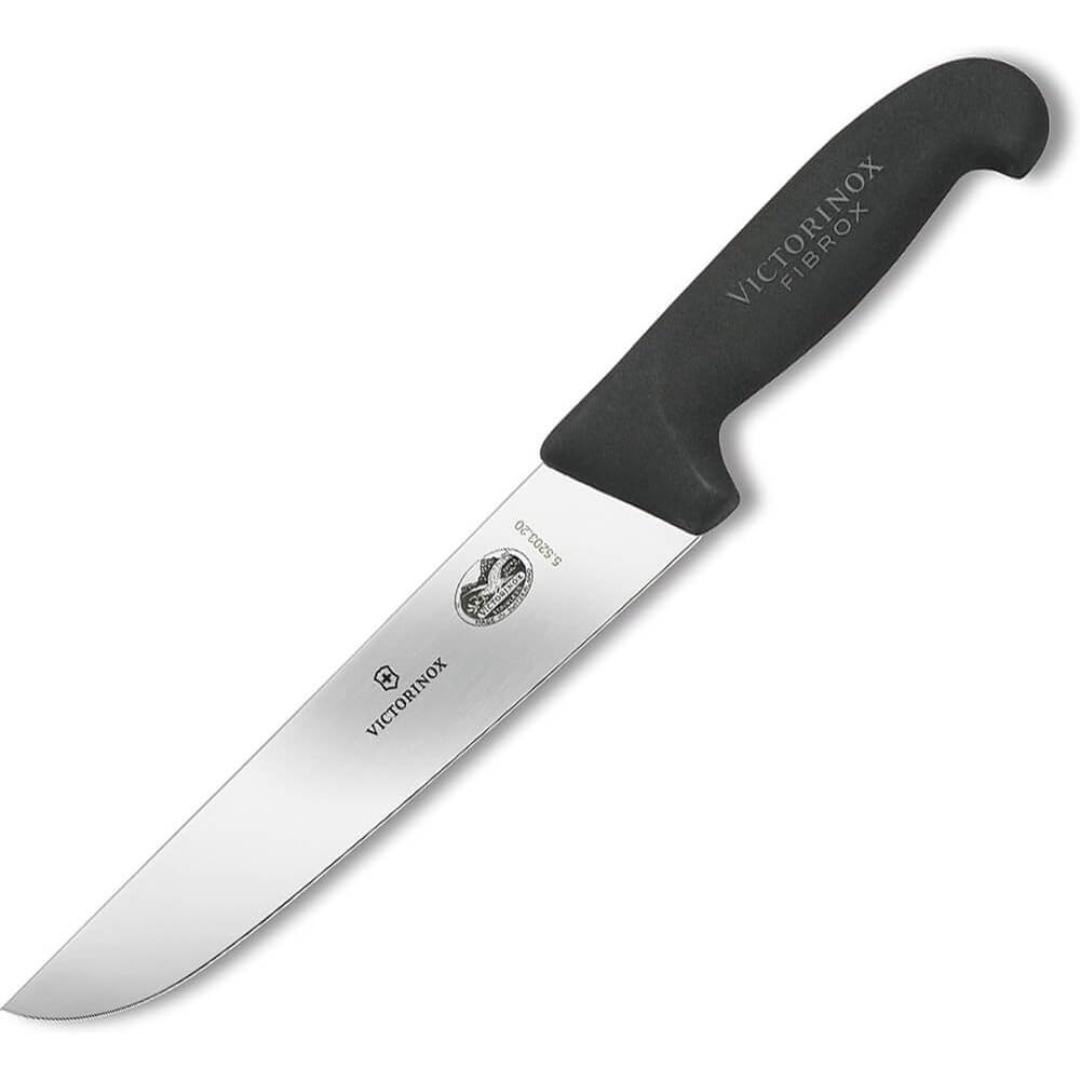
Commercial knives lose performance when edge maintenance is left until they are noticeably blunt. A structured honing, sharpening, cleaning and storage routine helps professional kitchens keep knives predictable and reduces unnecessary replacement.
Honing and sharpening are different
A honing steel is generally used to maintain and realign an edge between sharpening sessions. Sharpening removes material to restore a worn edge. The appropriate frequency depends on use, blade condition and the maintenance method selected.
Inspect knives routinely
Supervisors should check cutting performance, blade damage, handle condition and storage practices. Damaged equipment should be removed from service and assessed rather than continuing to use it during busy preparation.
Clean and store correctly
Follow the care instructions for the exact Victorinox model. Keep knives securely stored rather than loose in drawers, and maintain a system that protects both the cutting edge and staff handling the equipment.
Build maintenance into procurement
When ordering knives for a hotel, restaurant, catering company or institution, include suitable sharpening or honing equipment and decide who is responsible for maintenance.
See the Victorinox collection and our existing Victorinox sharpening guide.
Frequently asked questions
Is honing the same as sharpening?
No. Honing maintains an edge between sharpening sessions; sharpening restores an edge by removing material.
How often should a commercial knife be sharpened?
There is no universal interval. It depends on workload, cutting surface, technique and blade condition.
Should sharpening tools be included in a commercial knife order?
Yes. Edge maintenance should be planned as part of the knife system.


