

Cart
0
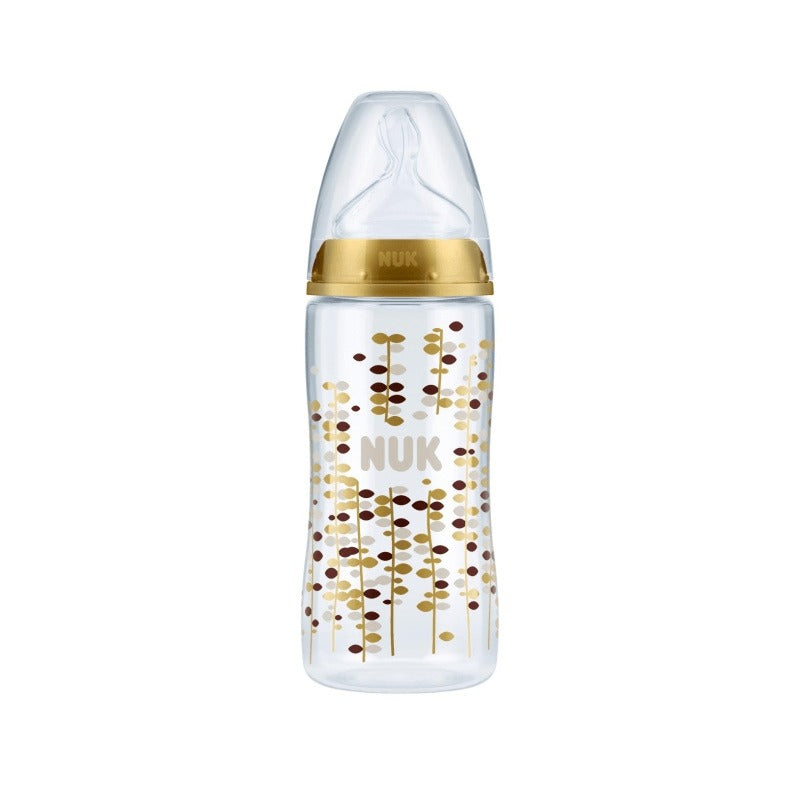
Parents searching for anti-colic baby bottles in Kenya are usually trying to reduce swallowed air during feeds. Anti-colic bottles use venting or airflow systems intended to help manage air entering the bottle as the baby drinks.
What does anti-colic mean?
An anti-colic bottle does not guarantee that a baby will never experience colic. Instead, the bottle is designed to help reduce air intake during feeding. Proper teat flow, feeding position and burping technique are also important.
Choose the right teat flow
If milk flows too quickly, a baby may struggle to coordinate sucking and swallowing. If it flows too slowly, feeding may become frustrating. Always match the teat stage to the baby's age and feeding needs rather than using bottle size alone as the guide.
NUK anti-colic feeding systems
Selected NUK First Choice+ bottles use an air system designed to support a natural flow. Browse current NUK bottles in Kenya.
Philips Avent anti-colic bottles
Philips Avent also offers dedicated anti-colic bottle systems. For bottle and teat details, read our Philips Avent Anti-Colic Bottles in Kenya guide.
Which anti-colic bottle is best?
There is no single bottle that works best for every baby. Consider teat acceptance, bottle material, cleaning, replacement teat availability and how easily the bottle fits into your feeding routine.
Frequently asked questions
Do anti-colic bottles stop colic completely?
No. They are designed to reduce swallowed air, but colic has multiple possible causes.
Can breastfed babies use anti-colic bottles?
Many families combine breastfeeding and bottle feeding. Look for an appropriate teat and feeding system.
Where can I buy anti-colic bottles in Kenya?
Browse Red Rhino's feeding bottles and accessories collection.
How to compare anti-colic bottle systems
When comparing anti-colic bottles, look beyond the word “anti-colic.” Check where the air valve sits, how many parts must be cleaned, whether replacement teats are easy to source, and whether the system suits your baby's current flow needs.
Anti-colic bottles for mixed feeding
Families combining breastfeeding and bottle feeding may also consider teat shape and pacing. Read our mixed breast and bottle feeding guide for additional considerations.
Common mistakes
- Using a flow that is too fast
- Assuming every anti-colic system works the same way
- Mixing components from incompatible bottle systems
- Failing to clean vents and valves thoroughly
- Moving to a larger teat only because of age
For troubleshooting flow issues, see our baby teat flow guide.
Compare anti-colic options by brand
See the dedicated Philips Avent Anti-Colic Bottles guide and browse NUK feeding products in Kenya. For side-by-side buying considerations, read NUK vs Philips Avent.


