

Cart
0
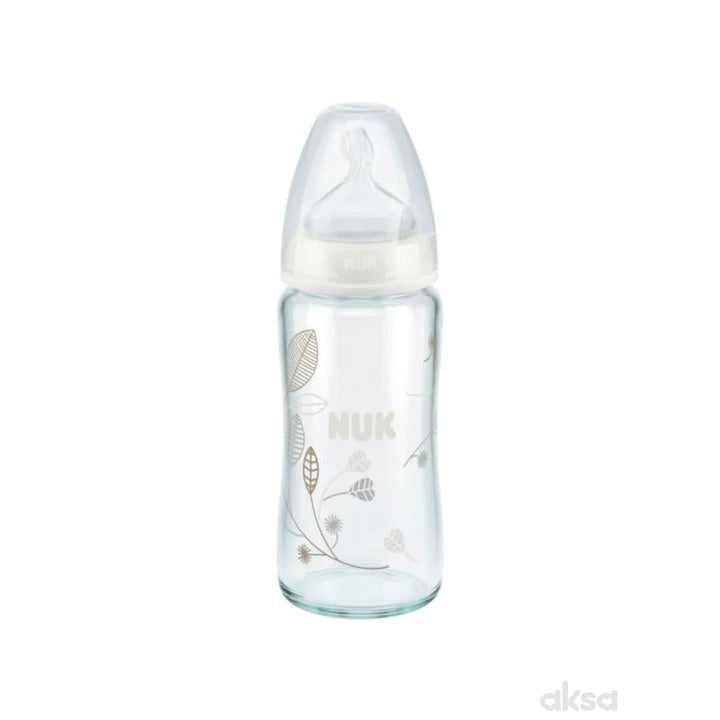
One of the most common baby-feeding searches is glass vs plastic baby bottles. Both materials can work well when the product is designed for baby feeding and used according to the manufacturer's instructions.
Advantages of glass baby bottles
- Resistant to staining and odours
- Durable bottle surface
- Easy to visually inspect when clean
The trade-off is weight. Glass bottles are heavier and need more care when handled.
Advantages of polypropylene baby bottles
- Lightweight
- Convenient for travel
- Easy for parents to hold during longer feeds
- Widely available across bottle sizes
What is BPA-free plastic?
Many modern baby bottles use BPA-free polypropylene. Always check the product specification rather than assuming all plastic feeding products are identical.
NUK glass and polypropylene bottles
For a current glass example, see the NUK First Choice Glass Baby Bottle 240ML 10745054. For lightweight PP options, browse the NUK Kenya collection.
Which should you choose?
Choose glass if you prefer a heavier, stain-resistant material. Choose polypropylene if lightweight daily handling is more important. The teat and feeding system remain just as important as the bottle material.
Frequently asked questions
Are glass baby bottles safe?
Use bottles designed specifically for baby feeding and follow the manufacturer's handling instructions.
Are plastic baby bottles BPA-free?
Many current models are, but verify the specification of the exact product.
Where can I buy glass baby bottles in Kenya?
Browse Red Rhino's baby bottle collection.


