

Cart
0
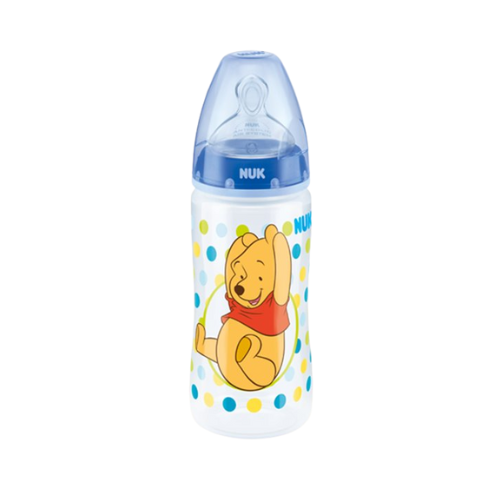
If you are searching for baby bottles in Kenya, the best choice depends on your baby's age, feeding routine and preferred bottle material. Bottle capacity, teat flow and anti-colic design matter more than simply choosing the largest bottle.
What baby bottle size should you choose?
Smaller bottles around 125ML–150ML are convenient for younger babies and smaller feeds. Larger bottles around 240ML–300ML become useful as feeding volumes increase. Red Rhino stocks different bottle sizes from brands such as NUK and Philips Avent.
Glass baby bottles vs plastic baby bottles
Glass bottles are durable, resistant to staining and heavier in the hand. Polypropylene bottles are lightweight, practical and widely used for everyday feeding. For a deeper comparison, read glass vs plastic baby bottles.
What is an anti-colic baby bottle?
Anti-colic systems are designed to manage airflow during feeding and help reduce swallowed air. They do not guarantee that a baby will never experience colic, but they can be a useful design feature. See our anti-colic bottle guide.
NUK baby bottles in Kenya
NUK offers First Choice and Classic bottle formats, including polypropylene and glass options. Selected NUK products at Red Rhino currently carry promotional offers. See our NUK offers guide.
Philips Avent baby bottles
Philips Avent is another major feeding range stocked by Red Rhino. If you are comparing Avent bottle sizes and teats, read our existing Philips Avent Anti-Colic Bottles in Kenya guide.
How many baby bottles do I need?
The answer depends on whether you are exclusively bottle feeding, combining breast and bottle feeding, and how often you want to wash bottles. A small rotation may be enough for occasional use, while full-time bottle feeding normally benefits from several bottles.
Frequently asked questions
Where can I buy feeding bottles in Nairobi?
Red Rhino sells baby feeding bottles online with delivery in Nairobi and across Kenya.
Are glass bottles better than plastic?
Neither is universally better. Glass is heavier and stain-resistant; polypropylene is lighter and easier to handle.
Which bottle is best for newborns?
Look at suitable teat stage, manageable capacity and a feeding system appropriate for your baby's needs.
Shop the full baby feeding bottles and accessories collection.
Baby bottle buying checklist
Before buying, check five things: capacity, teat flow, bottle material, anti-colic design and replacement-part availability. A well-known brand is useful, but the exact feeding system matters more than the logo alone.
Baby bottles for different feeding routines
For occasional bottle use, a small rotation may be enough. Mixed feeding often benefits from a consistent teat system and manageable bottle sizes. Full-time bottle feeding usually benefits from multiple bottles so clean bottles are always available. Read how many baby bottles you may need.
Teat flow and bottle size are separate decisions
A 300ML bottle does not automatically mean a faster teat. Always verify the teat stage supplied with the exact product. Our baby teat flow guide explains the signs that a teat may be too slow or too fast.
Care and maintenance
Cleaning quality affects how long feeding equipment stays usable. See how to clean and sterilize baby bottles and when to replace baby bottles.
Compare NUK and Philips Avent bottles
For NUK options, browse the NUK Kenya collection. For Avent-specific bottle guidance, read Philips Avent Anti-Colic Bottles in Kenya. You can also use our NUK vs Philips Avent comparison.


