

Cart
0
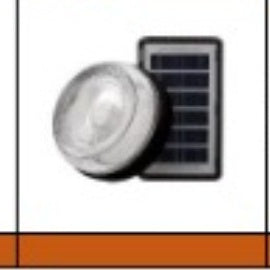
A good solar light can perform poorly if installed in the wrong place. In Kenya, the most common avoidable problems are shaded solar panels, incorrect aiming, loose mounting and panels that are never cleaned. This guide explains practical steps for installing and maintaining outdoor solar lights.
1. Put the solar panel where the sun is
The panel needs strong daylight exposure to recharge the battery. Avoid locations under deep roof overhangs, dense tree cover or behind walls that block the sun for much of the day.
2. Consider seasonal shade
A location that looks sunny at midday may still spend many hours in shade. Observe the site across the day if possible. Trees and nearby buildings can cast long shadows in the morning or afternoon.
3. Aim the light, not the panel
For systems with a separate panel, the light and panel can often be positioned independently. Aim the light toward the required area while positioning the panel for charging. Do not compromise panel exposure just to make the fitting look symmetrical.
4. Mount securely
Outdoor fittings experience wind, vibration and weather. Use suitable fixings for the wall, pole or structure. Periodically check brackets, bolts and screws.
5. Keep the solar panel clean
Dust, leaves, bird droppings and other debris reduce the amount of light reaching the panel. Clean the surface periodically using a method appropriate for the panel and manufacturer's instructions.
6. Do not judge battery performance after one poor charging day
Runtime can vary after cloudy weather or if the panel was shaded. Before assuming the battery is defective, check recent charging conditions and whether the panel is clean and unobstructed.
7. Check the IP rating
Use a fitting designed for the environment. IP65 and IP66 are common outdoor ratings, but always follow the exact product specification and installation instructions.
8. Avoid unnecessary glare
More upward tilt is not always better. Aim floodlights so useful light reaches the ground and target surfaces. Avoid pointing powerful lights directly at neighbours, drivers or bedroom windows.
Troubleshooting a solar light that is not performing well
| Problem | Check first |
|---|---|
| Short night runtime | Panel shading, dirty panel, recent cloudy weather |
| Light not turning on | Switch/mode setting, charging status, daylight sensor conditions |
| Weak illumination | Battery charge, panel exposure, product setting |
| Uneven coverage | Aiming and mounting position |
| Water concern | IP rating and mounting orientation |
How often should a solar panel be cleaned?
There is no universal interval. Inspect it regularly and clean when dirt is visibly accumulating. Dustier sites, construction zones and roadside installations may require more frequent attention.
Related buying guides
- Solar Lights in Kenya: Complete Buying Guide
- Outdoor Solar Lights in Kenya
- Solar Security Lights in Kenya
- Shop Outdoor & Solar Lighting
FAQ
Can I install a solar light in shade?
The light may work, but poor solar exposure will usually reduce charging performance. Direct daylight is preferable.
Why does my solar light stay on for fewer hours than expected?
Possible causes include insufficient charging, panel shade, dirt on the panel, battery condition, operating mode and seasonal weather.
Do solar lights need maintenance?
They are low-maintenance rather than maintenance-free. Panel cleaning, mounting checks and occasional functional inspection are worthwhile.


