

Cart
0
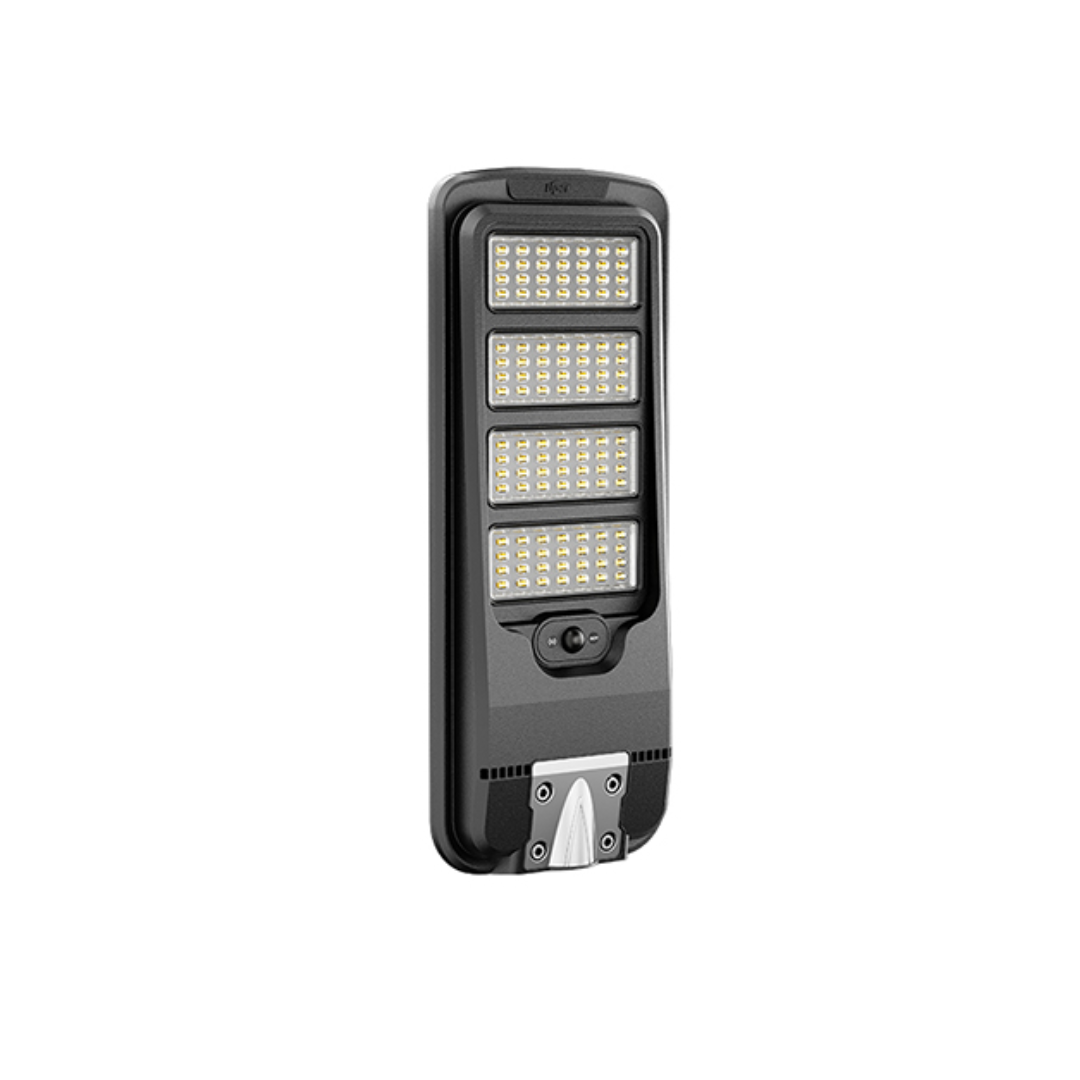
Solar lighting has become one of the most practical ways to illuminate compounds, driveways, gates, pathways, farms, parking areas and commercial premises in Kenya without running new mains cabling to every lighting point. But the market is crowded with products using very different wattage claims, battery sizes, solar-panel formats and weather ratings. The right choice depends less on the biggest number printed on the box and more on the application, installation position and product quality.
This guide explains how to choose solar lights in Kenya, the main types available, what affects price, and how to compare products properly. You can browse Red Rhino's current Outdoor & Solar Lighting collection, the Liper Lighting Kenya collection and our broader Lighting collection as you compare the options.
What types of solar lights are available in Kenya?
The main categories are solar street lights, solar floodlights, solar bulkhead and wall lights, decorative garden lights and compact security lights. Each serves a different purpose.
1. Solar street lights
Solar street lights are designed to throw light along roads, driveways, estate access routes and perimeter lanes. They are normally mounted higher than wall lights and are better suited to elongated areas where useful light needs to reach further from the mounting point.
For a deeper comparison, see our Solar Street Lights in Kenya buying guide.
2. Solar floodlights
Solar floodlights are intended for broad-area illumination. Typical applications include compounds, loading areas, parking spaces, workshop yards, gates, farm yards and building exteriors. A floodlight is usually the better fit when you need to light a wider zone rather than a road or pathway.
Read our detailed 100W vs 200W vs 300W vs 400W solar floodlight guide.
3. Solar bulkhead and wall lights
Compact solar bulkhead and wall lights work well near entrances, side passages, verandas, corridors, gates, service areas and perimeter walls. They are useful when you need localized lighting rather than a large flood of light.
What should you check before buying a solar light?
| Factor | Why it matters |
|---|---|
| Application | Street, flood, wall and garden lights distribute light differently. |
| Solar exposure | The panel needs enough direct daylight to recharge effectively. |
| IP rating | Outdoor fittings should have suitable dust and water protection. |
| Colour temperature | 3000K gives a warmer appearance; 6500K gives a cooler daylight appearance. |
| Mounting height | Height affects coverage, glare and perceived brightness. |
| Battery and panel quality | These determine how well the light stores and replenishes energy. |
| Warranty and seller support | Useful for an outdoor electrical product exposed to weather and daily charging cycles. |
Do not compare solar lights by wattage alone
One of the biggest mistakes in the Kenyan solar-light market is assuming that a product advertised as 400W must automatically be twice as bright as a 200W product. Solar lighting wattage labels are not always directly comparable between brands. Where available, compare lumen output, battery capacity, panel size, optical design and the intended mounting height as well.
For mains and solar LED terminology, our existing guide to lumens, colour temperature and IP ratings explains these specifications in more detail.
What IP rating should an outdoor solar light have?
Outdoor lights are exposed to dust, humidity and rain. IP ratings indicate the level of protection provided by the enclosure. For exposed outdoor installations, products such as IP65 or IP66 fittings are common choices. The correct rating still depends on the exact installation environment.
3000K or 6500K: which is better?
3000K warm white produces a softer, warmer appearance and can be attractive around homes, gardens and hospitality areas. 6500K daylight produces a cooler, crisper appearance that many buyers prefer for security lighting, yards, gates and work areas.
For a detailed comparison, read 3000K vs 6500K solar lights in Kenya.
Solar lights prices in Kenya: what determines the cost?
Price varies according to the size of the fitting, solar panel, battery, LED system, housing quality, ingress protection, brand, controls and included accessories. Very low-cost products may still be suitable for small decorative or localized applications, while larger street and flood lights designed for demanding outdoor use cost more.
Because product prices and stock change, it is better to check the current live listings in our Outdoor & Solar Lighting collection rather than relying on an old price table.
Where should solar lights be installed?
A solar light can only recharge effectively if its panel receives sufficient daylight. Avoid mounting the panel under a roof overhang, dense tree cover, behind a wall or in a position that remains shaded for most of the day. The best location is one with strong, unobstructed daylight and secure mounting.
See our solar-light installation and maintenance guide for more detail.
Which solar light is best for your application?
- Driveway or estate road: solar street light.
- Compound or parking area: solar floodlight.
- Gate or entrance: floodlight, wall light or bulkhead depending on coverage required.
- Farm yard or workshop yard: larger floodlight with good panel exposure.
- Side passage or corridor: compact wall or bulkhead light.
- Garden ambience: warm-colour decorative solar light.
Why consider Liper solar lighting?
Red Rhino currently stocks Liper solar street lights, solar floodlights and a solar bulkhead light, including IP65 and IP66 models in warm and daylight colour temperatures. See the full Liper Lighting Kenya collection or read our Liper Solar Lights Kenya guide.
Frequently asked questions
Are solar lights good for security?
They can be very useful for security and perimeter illumination because they do not require a mains connection at the lighting point. The correct mounting position, coverage and brightness remain important.
Do solar lights work during cloudy weather?
Solar panels can still generate energy in lower-light conditions, but charging performance is generally lower than under strong direct sunlight. Runtime therefore depends on recent solar exposure, battery capacity and operating mode.
Can solar lights replace all outdoor mains lighting?
Not always. Solar lighting is particularly useful where trenching and wiring are difficult or where an independent lighting point is desirable. High-demand sites may still benefit from mains lighting or a mixed approach.
Where can I buy solar lights in Kenya?
Red Rhino carries solar lighting from established brands including Liper and Philips. Browse solar and outdoor lighting in Kenya and compare current models, prices and availability.


