

Cart
0
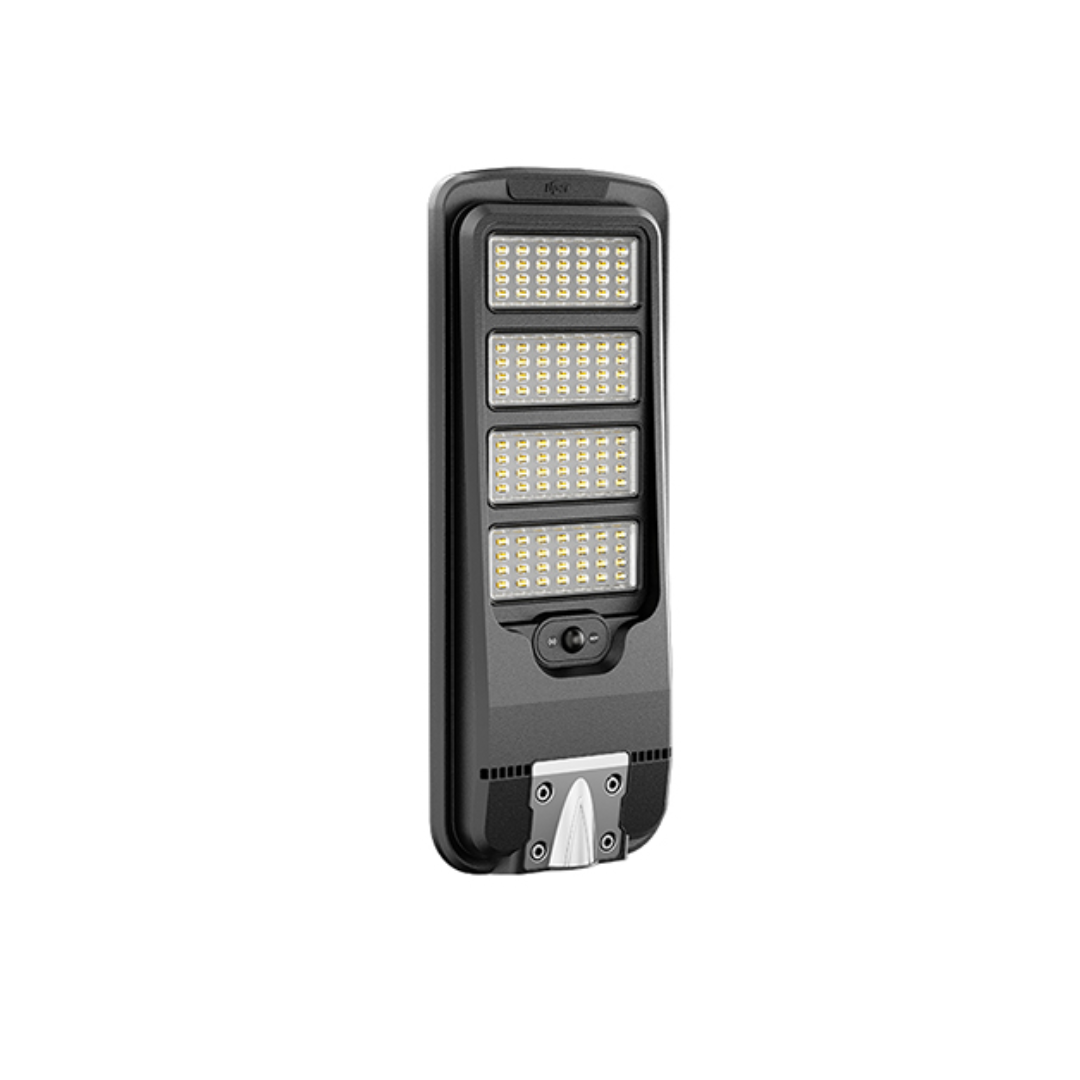
Solar street lights in Kenya are increasingly used on private roads, estate access routes, compounds, farms, parking areas and driveways where extending mains power to every pole can be inconvenient. A solar street light combines a lighting fixture with a solar charging system so the installation can operate independently from a conventional lighting circuit.
Red Rhino stocks Liper solar street lights within our Outdoor & Solar Lighting and Liper Lighting Kenya collections.
When should you choose a solar street light?
A streetlight is best when the area is long and directional: a road, driveway, lane or perimeter route. If your goal is instead to cover a broad open yard, a solar floodlight may be a better fit.
What determines solar street light performance?
- Solar exposure: charging depends on available daylight.
- Battery storage: determines how much energy can be retained for night use.
- Optics: controls how the light is distributed along the ground.
- Mounting height: affects coverage and intensity.
- Weather protection: important for exposed pole mounting.
- Operating mode: some systems use timed, reduced-output or sensor-based operation.
Solar street light prices in Kenya
Prices vary widely because products differ in construction, battery capacity, panel size, housing, controls, brand and actual lighting performance. Two products both labelled '300W' are not necessarily equivalent. For the most accurate current pricing, check the live solar lighting collection.
Understanding wattage labels
Solar lighting is one category where headline wattage figures can be especially difficult to compare across brands. Where technical data is available, look beyond the nominal wattage and compare lumen output, panel size, battery specification and recommended installation height.
What IP rating should a solar street light have?
Streetlights are usually mounted in fully exposed positions, so weather protection matters. Liper's current solar streetlight models stocked by Red Rhino include IP65-rated options. For a broader explanation of IP ratings, read our LED Lighting in Kenya specification guide.
3000K vs 6500K solar street lights
A 3000K model produces warm white light. A 6500K model produces a cooler daylight appearance. For residential or hospitality environments, warm white may be preferred aesthetically. For security and utility lighting, many buyers prefer cooler daylight. The correct choice is about visual preference and task requirements, not simply which one is 'brighter'.
Installation planning
- Identify the road or driveway section requiring illumination.
- Confirm the solar panel has clear daylight exposure.
- Select a secure mounting point and appropriate pole height.
- Check that trees and buildings will not shade the panel excessively.
- Aim the fitting so it lights the intended surface without unnecessary glare.
- Leave access for future cleaning and maintenance.
Liper 300W solar street lights at Red Rhino
Red Rhino currently lists Liper 300W solar LED streetlights in both 6500K daylight and 3000K warm white variants. Browse the Liper Lighting Kenya collection for current availability.
FAQ
Can a solar street light work all night?
Runtime depends on available solar charging, battery capacity, operating mode and environmental conditions. Product-specific runtime should be checked against the manufacturer's specification.
How high should a solar street light be installed?
There is no single correct height for every product. Follow the manufacturer's recommendation and consider the road width, beam pattern and glare control.
Are solar street lights suitable for farms?
Yes, especially for access roads, gates, yards and areas where running cable would be difficult. Panel exposure is critical.
What other solar lighting should I consider?
For broad open areas, compare solar floodlights and security lighting. For entrances and walls, compact solar bulkhead lights may be more appropriate.


