

Cart
0
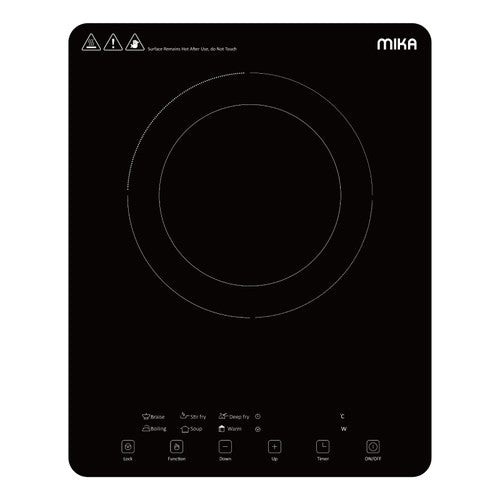
A tabletop gas stove and a portable induction cooker can serve countertop cooking needs, but they require different cookware, supply arrangements and operating care. Choose by the meals, pans, working space and permitted setup you actually have. A portable format does not mean the appliance can be used anywhere without checking its instructions.
This guide connects cooking appliances with cookware and the wider Kenyan kitchen. It provides buying and workflow questions, not gas-connection or electrical-installation instructions. Follow the exact product manual and use appropriate qualified assistance for supply and installation requirements.
What is different about the two formats?
Tabletop gas stove
A gas stove uses its specified gas supply and burner arrangement. Check the exact model, permitted supply and installation requirements rather than assuming any hose, regulator or cylinder arrangement is suitable. Burner count and surface design are separate specification questions.
Portable induction cooker
Induction requires suitable cookware and an appropriate electrical supply. Check the manufacturer's cookware material, base-size and operating requirements for the exact model. A pan's appearance or brand name does not establish compatibility.
Other electric cooking surfaces
Do not treat every portable electric cooker as induction. Heating methods can differ. Read the exact description and cookware guidance before buying a product advertised simply as a portable cooker.
| Buying question | Gas model | Induction model |
|---|---|---|
| What supply is required? | Exact permitted gas and connection arrangement | Exact electrical rating and supply requirements |
| Which cookware fits? | Suitable cookware and burner support | Explicitly induction-compatible cookware meeting model limits |
| How much can cook at once? | Burner number and practical pan spacing | Number of cooking zones and practical pan fit |
| What space is needed? | Prescribed placement, ventilation and working access | Prescribed placement, ventilation and control access |
| How should it be cleaned? | Burner and surface instructions | Surface and electrical-appliance instructions |
Mika model examples
The Mika MGS7102 double-burner glass-top gas stove and Mika MGS1403 triple-burner tabletop gas stove illustrate different burner arrangements. Three burners are not proof that three of your largest pans fit comfortably together. Check dimensions, support and spacing.
The Mika MPDC2121T single-zone portable induction cooker is a different supply and cookware proposition. Use its exact operating and cookware guidance rather than assuming a gas pan works because its base is flat.
The Mika household guide links these models with the wider range. The specification guide helps separate burner or zone count from measured cooking performance.
Check your existing cookware first
Before changing the cooking method, list the pans you use most frequently. Record material, base dimensions and any manufacturer compatibility marking. Confirm handles, coatings and lids have instructions appropriate for the intended cooking use.
Induction compatibility requires more than a suitable-looking shape. Follow the cookware and cooker manufacturer's guidance. A pan can have a compatible material while still falling outside a particular cooker's permitted base-size range. The Philips induction cookware guidance illustrates model-related material and size requirements; its exact limits should not be transferred to a different Mika or other cooker.
For gas cooking, practical pan support and burner fit still matter. Do not use unstable or unsuitable vessels simply because they can sit over a flame. The existing cookware-material comparison and Luigi Ferrero kitchenware guide help connect cookware selection with the appliance.
Compare the full meal workflow
Write down the dishes you usually prepare together. A single-zone cooker can suit sequential tasks, while multiple burners can allow several suitable vessels to operate together. Whether that is helpful depends on pan spacing, supply suitability and the way you cook.
For a meal with rice and a separate dish, a rice cooker might serve one task while the tabletop cooker serves another. A pressure cooker may provide a distinct method for suitable recipes. Do not assume extra burners are the only way to improve meal timing.
The rice- and pressure-cooker comparison explains those formats. The complete kitchen guide helps organise preparation, cooking and serving around the actual meal.
Space and portability
Measure the working surface, required clearances and access for cookware. Keep room for ingredients, utensils and a permitted place to handle hot vessels. The appliance's closed dimensions do not include the pan handles or surrounding cooking work.
Portability can be useful when equipment is stored between permitted uses, but it is not permission for unsuitable placement. Check supporting surfaces, ventilation and supply requirements whenever you set up the appliance.
The small-kitchen guide explains why operating and storage space should be measured separately. Avoid selecting a portable format only to discover that its complete cooking setup fills the preparation area.
Controls and everyday convenience
Compare the actual controls and instructions. Induction models can have power, temperature or mode settings as specified; gas models have their own control and ignition arrangements. A large mode list does not establish that every setting fits every recipe.
Check how the selected cooking state is indicated and how the appliance should be stopped. Consider whether all household users can operate the controls as instructed. Keep the manual accessible rather than relying on one person's familiarity.
Do not compare a setting number on one product with a temperature or burner position on another as though they are equivalent measurements. A fair comparison needs the completed cooking task and documented method.
Costs and benchmarking
Compare the complete purchase setup, including suitable cookware and any required approved supply arrangements. A low appliance price can be misleading if additional compatible equipment is needed. Use current quotations rather than a permanent price promise in a guide.
Do not compare gas and induction running costs from a nameplate figure alone. Fuel and electricity prices, useful cooking work, timing and conditions all matter. A cost advantage should have a defined task, current rates and clear measurement or assumptions.
The electricity guide explains transparent electrical estimates. The benchmarking guide explains why a claimed winner requires comparable evidence rather than one demonstration.
Care and appropriate support
Follow the exact cleaning process and wait until the appliance is in the prescribed safe condition. Burner components, glass surfaces and electrical areas have different requirements. Do not use an abrasive or chemical simply because another kitchen surface tolerates it.
Do not alter a gas supply arrangement, safety component or electrical connection to make an unsuitable setup work. Where there is a serious fault, suspected leak or damaged component, stop using the appliance and seek the appropriate manufacturer or qualified guidance.
The care guide helps retain model information and service records. Keeping the exact code is useful when discussing a spare part or support requirement.
Tabletop-cooker do's and don'ts
- Do check the exact supply, placement and cookware requirements.
- Do compare practical pan spacing as well as burner count.
- Do measure the whole operating area.
- Do retain the manual, invoice and model code.
- Do use appropriate qualified help for supply and installation questions.
- Don't assume all portable electric cookers use induction.
- Don't improvise an incompatible gas or electrical arrangement.
- Don't treat a matching pan diameter as the only compatibility check.
- Don't claim a universal running-cost winner without comparable evidence.
Tabletop-cooking FAQs
Can I use my existing pans on induction?
Only if they meet the cookware and exact cooker's compatibility requirements. Check material, base and permitted dimensions rather than guessing from appearance.
Is a triple-burner stove always better than a double-burner stove?
Not for every kitchen. Practical pan spacing, meal workflow, required placement and the supplied instructions matter alongside the burner number.
Is induction always cheaper to run than gas?
Do not assume a universal cost ranking. Compare the same completed task using current fuel and electricity information and an appropriate method.
Does portable mean I can use the cooker anywhere?
No. The exact placement, supporting surface, ventilation and supply requirements still apply. Portability describes the format, not unrestricted permitted use.
Can a rice cooker reduce the need for more burners?
It can serve a separate repeated rice task when that fits the household. Compare the full meal and space rather than counting burners in isolation.
Choose the method that fits the kitchen
Return to cooking appliances with your cookware, meal sequence and required setup written down. Check current exact-model information through the linked listings and official Mika website. Prepared on 1 October 2026; this is task-based buying analysis, with installation and use governed by the supplied manufacturer instructions.


