

Cart
0
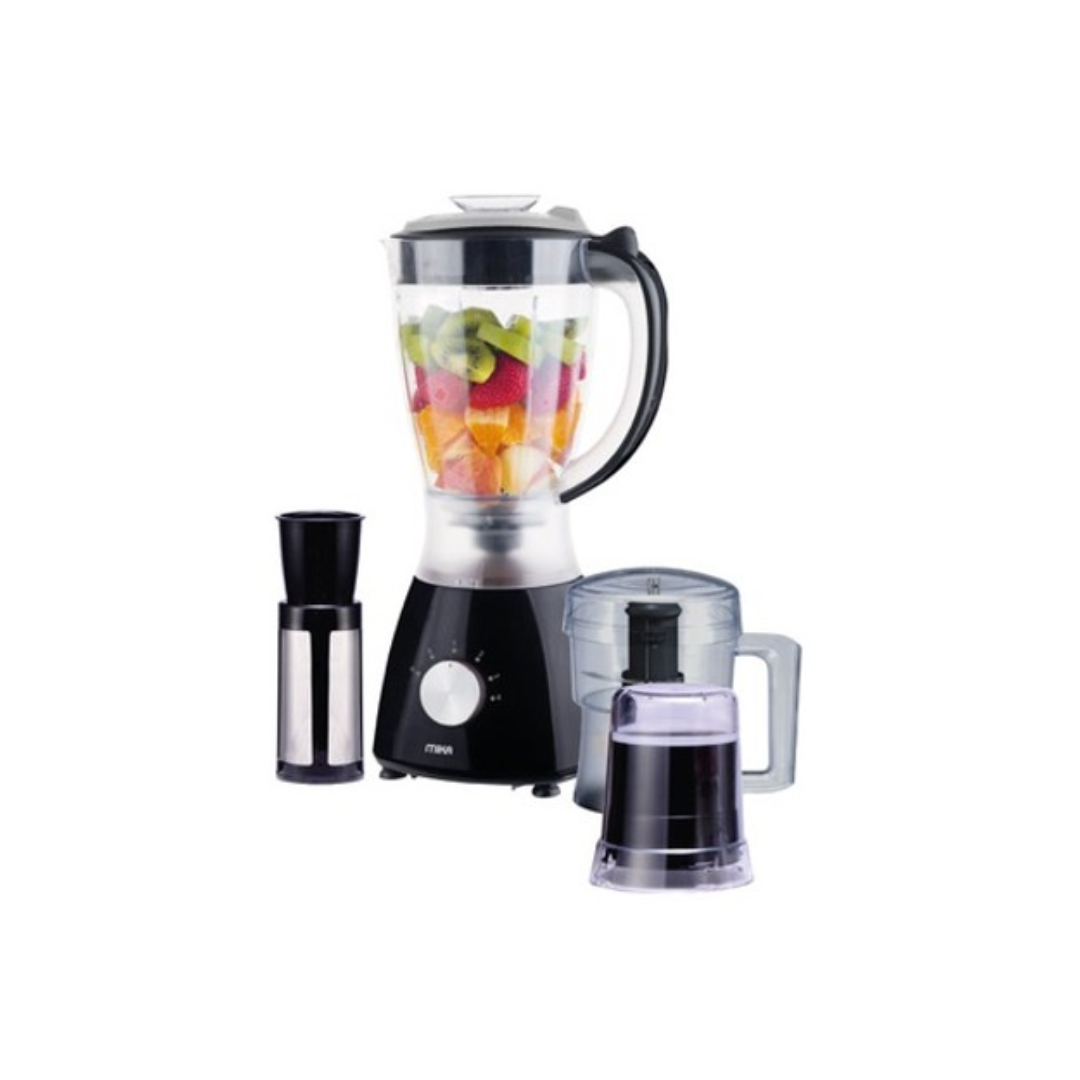
Good appliance care starts with the exact model and its supplied instructions. A blender jug, kettle base, pressure-cooker seal and microwave door need different handling. The safest useful household routine is to keep the correct manual, organise the attachments and clean each part using its prescribed method.
This guide connects kitchen appliances with garment-care and comfort equipment. It provides an ownership checklist and a way to collect useful fault information. It does not provide internal electrical repairs or replace manufacturer service guidance.
Create an appliance record
Keep the model code, purchase date, invoice, manual and any warranty documents together. Add a photograph of the rating label where you can safely access it. Record included attachments so you can identify the correct item later.
An exact code is more useful than “the silver blender” when asking about a replacement part. Similar-looking products can have different couplings, seals, lids or controls. Your record should make the variant clear, especially when the household owns more than one appliance from the same brand.
The specification guide explains why model identity matters. The Mika household guide provides connected routes through the main appliance families.
Use a care schedule based on the task
| When | What to check | Important limit |
|---|---|---|
| After a food-preparation session | Food-contact residue, permitted washing and drying | Electrical bases and removable parts have different instructions |
| After cooking or reheating | Spills, removable accessories and safe handling temperature | Do not clean hot parts in a prohibited way |
| When changing a water bottle | Connections and the model's cleaning routine | Use the specified water-path procedure |
| Before storage | Dryness, cord condition and complete attachments | Store only when the appliance is safe and ready |
| When performance changes | The selected mode, load and visible condition | Stop for serious faults rather than dismantling the appliance |
Use the manual's required intervals where it specifies them. This table organises tasks; it does not create a universal maintenance schedule for every model.
Kettles: cleaning and descaling are model-specific
Use the kettle's approved cleaning and descaling method. Deposit appearance, water conditions and manufacturer instructions affect the routine. Do not assume one internet mixture is approved for every body material, sensor or filter.
Keep the electrical base and connections dry using the prescribed method. Do not immerse parts that the manufacturer prohibits immersing. Respect minimum and maximum fill and use only the liquids or tasks the instructions allow.
If boiling behaviour changes, check the permitted visible items and instructions first. Persistent faults, damaged cords or unusual electrical behaviour need appropriate service. The breakfast-station guide connects kettle care with repeated hot-drink use.
Blenders, choppers and processors: organise blades and tools
Disconnect the appliance before changing attachments or handling blades. Follow the supplied disassembly process instead of forcing parts. Keep sharp tools safely stored and identified for the correct model.
Clean food-contact components promptly according to their instructions. Separate raw-food processing routines appropriately and clean the relevant parts thoroughly. Do not assume that every removable bowl, lid or seal is dishwasher-safe.
Respect load and running-time limits. If processing stalls or the result changes, do not compensate by repeatedly exceeding the permitted operating sequence. The preparation-appliance guide helps keep attachment roles and permitted tasks clear.
Air fryers and cooking surfaces
Allow parts to reach the condition prescribed for cleaning. Remove food residue using tools and products appropriate for the surfaces. Coatings and removable baskets should not be treated as interchangeable with bare metal cookware.
Check the manual before using a dishwasher, abrasive tool or cleaning chemical. Keep the exterior, heating area and ventilation maintained as directed without opening electrical sections. Do not leave residue to accumulate simply because the next cooking session appears to work.
The existing air-fryer guide connects basket design and capacity with ownership. Care convenience is worth considering during purchase, especially when the appliance is used most evenings.
Microwave ovens: door condition matters
Clean the cavity, turntable and permitted components according to the exact instructions. Wipe spills using the approved method once the appliance is safe to handle. Keep ventilation unobstructed.
Do not continue using a microwave with a damaged door or serious visible defect as though cleaning will resolve it. Repeated sparking, burning smells or serious faults require the appliance to be stopped and assessed appropriately. Do not open the casing or bypass interlocks.
Read the microwave guide for mode-specific container and accessory distinctions. An approved grill accessory and an arbitrary metal item are not equivalent.
Pressure cookers and rice cookers
Clean the removable pot and permitted parts according to the manual. Pressure-cooker seals and valves require the prescribed checks and assembly. Do not alter a valve, lock or pressure-control mechanism.
Use only confirmed compatible replacements. Never force a pressure-cooker lid open or treat uncertainty about remaining pressure as a reason to improvise. The supplied manual establishes the correct release and fault procedure.
The pressure-cooker and rice-cooker guide explains the different operating routines. Manufacturer manuals, such as the Philips HD2237 manual, illustrate the importance of model-specific instructions and should not be substituted for another model's manual.
Water dispensers: more than a drip tray
Follow the exact reservoir, connection and water-path cleaning procedure. A clean exterior does not establish that every internal water-contact part has been maintained. Use suitable source water and only approved cleaning methods.
Keep bottle installation and cleaning responsibilities clear in a shared home or office. Check compatibility and connections before use, and follow the initial-fill and switch-on sequence stated by the manufacturer. Do not switch on heating in a prohibited empty condition.
The water-dispenser guide connects care with loading, temperature modes and cooling. Do not attempt internal pump, electrical or refrigeration repairs based on a generic symptom description.
Garment-care, fans and heaters
Garment appliances should be used and cleaned according to their fabric, water and maintenance instructions. A cleaning method suitable for a kettle is not automatically suitable for an iron or steamer. Check the soleplate or steam-head guidance for the exact model.
Fans and heaters have their own cleaning and storage requirements. Disconnect and follow the instructions before any permitted external care. Do not obstruct airflow or cover a heater, and do not dismantle equipment to solve an unknown electrical issue.
Use the existing garment-steamer guide, fan guide and heater maintenance guide for their dedicated family questions.
Store accessories so they remain usable
Let permitted washable parts dry as directed before storage. Keep model-specific tools together, protect sharp parts and avoid putting heavy items on fragile lids or controls. Store equipment where moisture, dust and handling conditions meet the manufacturer's requirements.
Do not tightly bend, crush or pull cords in ways the instructions prohibit. Inspect visible condition before returning stored equipment to use. A complete attachment set and a readable model record make the next session easier.
The small-kitchen guide explains how storage fits into the working footprint. Good organisation should help retrieve and return an item safely, not just hide it from view.
Collect useful information when something goes wrong
Record the exact model, selected mode, load, what changed and when it happens. Note any displayed error code exactly. Include the purchase record and a clear description of the visible condition when contacting support.
For a serious fault, stop use and follow the manufacturer's service guidance. Do not repeatedly reset a device without understanding whether the fault is resolved. Avoid opening a casing, altering a safety feature or fitting a guessed replacement.
Clear information helps distinguish a settings or assembly question from a service issue. It also avoids treating every reduced result as proof that the whole brand is unreliable.
Care do's and don'ts
- Do keep manuals and model codes accessible.
- Do separate approved cleaning of removable parts from electrical-base care.
- Do check compatibility before ordering replacements.
- Do record symptoms and error codes accurately.
- Don't assume every appliance accepts the same descaling or cleaning mixture.
- Don't immerse prohibited electrical components.
- Don't bypass locks, interlocks or other safety controls.
- Don't turn a maintenance checklist into an internal repair attempt.
Appliance-care FAQs
Can all removable parts go in the dishwasher?
No. Check each part's instructions. A bowl, lid, seal and blade assembly can have different requirements even within one appliance.
Can I use a universal replacement seal or blade?
Only where exact compatibility is confirmed. Similar appearance does not establish the correct fit or intended operation.
Does cleaning improve energy efficiency?
Correct maintenance supports intended operation, but do not assume a quantified saving without evidence. Use the energy guide for task-based calculations and comparisons.
When should I stop using an appliance?
For a serious fault, damaged safety-critical part, unusual electrical behaviour or a condition the manual prohibits, stop and seek the appropriate guidance. Do not improvise repairs to continue use.
What should I keep for support?
The exact model code, purchase record, manual, symptom description and any error code are useful starting points. Confirm the service terms relevant to your purchase.
Keep the household system practical
Care belongs in the complete kitchen plan alongside buying and daily use. Prepared on 1 October 2026. Always prioritise the supplied exact-model manual and manufacturer service guidance over general care advice, including guidance linked through the official Mika website.


