

Cart
0
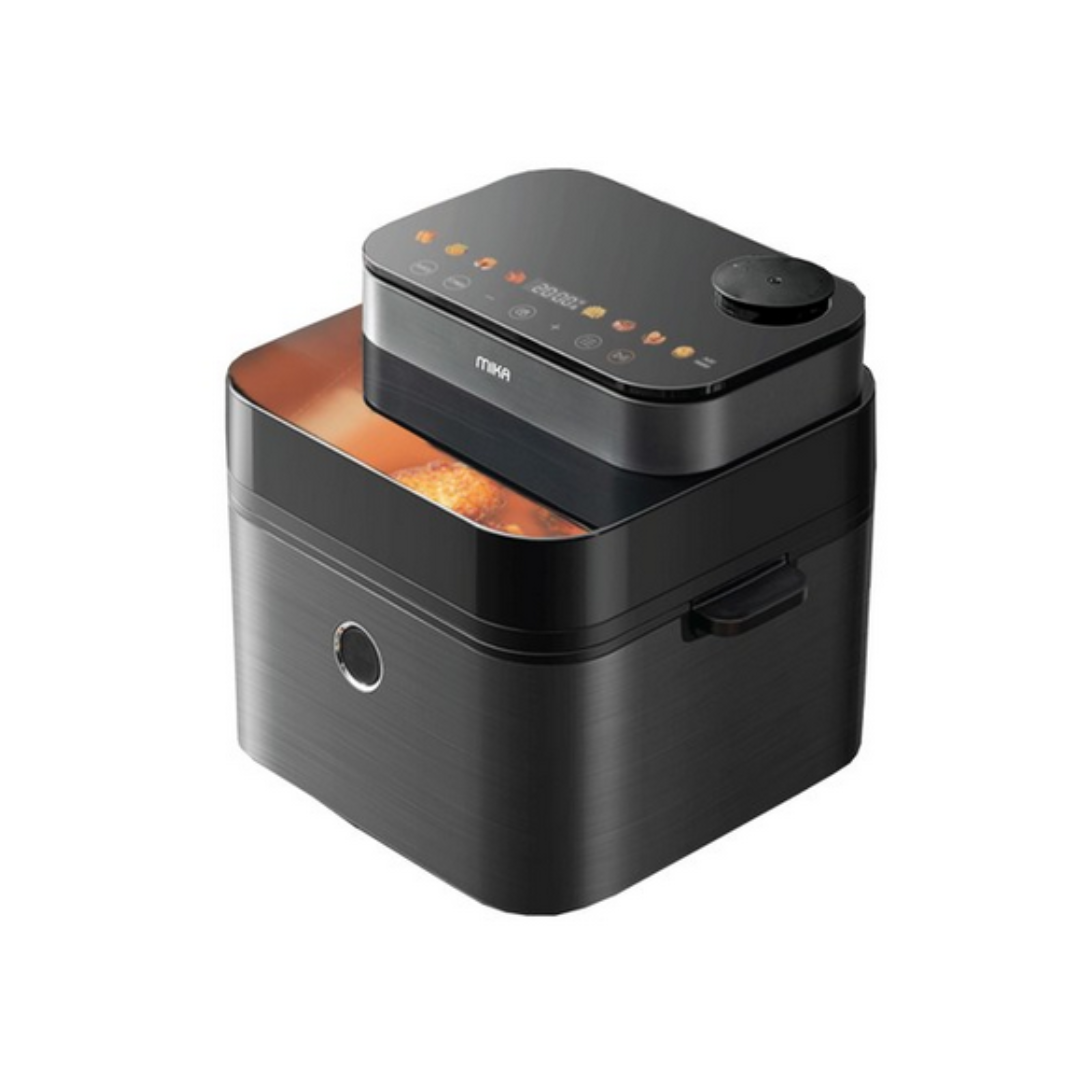
Appliance specifications are useful when you understand what each number describes. Watts, litres, cups, functions and speed settings answer different questions. A fair buying comparison connects those figures to the task you need, while a fair benchmark compares equivalent work under stated conditions.
This guide gives Kenyan shoppers a practical comparison method for kitchen appliances and related household equipment. It distinguishes manufacturer specifications, estimates and actual testing so a feature table does not turn into an unsupported performance claim.
Begin with the exact model code
Record the full code and variant for every shortlisted product. Similar names, colours or photographs can hide differences in controls, attachments, power and capacity. Regional variants and older model codes also need confirmation.
Use the current product listing, official manufacturer information and supplied manual. If information conflicts, identify the uncertainty and ask for clarification rather than combining convenient details from several versions into one imagined product.
The Mika appliance guide uses model-specific examples. The cross-brand comparison explains why a brand name alone cannot establish a winner.
Four kinds of evidence
| Evidence type | What it can establish | What it cannot establish alone |
|---|---|---|
| Manufacturer specification | Listed features, dimensions and intended capabilities | Independent comparative performance or endurance |
| Current retailer listing | The offered model, included bundle and current purchase details | A universal permanent price or every future stock condition |
| Stated estimate | A result under clearly written assumptions | A measured outcome for all users |
| Documented comparative test | Results under the recorded procedure and conditions | Every recipe, household or long-term ownership outcome |
Keep these types distinct. A manufacturer's “up to” statement, a product photograph and a personal impression should not be converted into a laboratory result.
Watts: identify which power figure is listed
A blender's motor rating, a microwave's cooking output, an appliance's electrical input and a grill's heating rating are different measures. Compare like with like. Ask for clarification when a listing gives a power number without explaining its role.
Higher power alone does not prove better texture, more even cooking, greater reliability or lower cost. It is one part of the design and operating requirement. The permitted workload and actual result matter too.
The microwave guide separates output and input. The electricity-cost guide shows why energy also needs duration and operating behaviour.
Litres and cups: headline volume versus useful capacity
A vessel's full volume can differ from its safe working fill. A blender recipe may require space above the ingredients; a pressure-cooker recipe can have stricter fill limits for expansion or foaming; an air-fryer basket needs suitable food spacing.
Coffee-maker “cups” can describe a manufacturer's measure rather than household mugs. Rice-cooker capacity can refer to particular rice measures or yield. Compare the exact definition before calculating portions.
Use the cooker comparison, breakfast-station guide and existing air-fryer capacity guide for family-specific questions. A single litre number should not decide the whole purchase.
Functions: count tasks rather than labels
“Digital” describes controls, not every cooking function. “Multi-function” should be supported by an exact list of tasks and supplied attachments. “Bottom load” describes bottle installation, not a water dispenser's cooling system.
Write each function you will use beside the component or mode that performs it. If you cannot identify that component, confirm the claim before counting it. This is especially important where two similar products include different accessory sets.
The food-preparation guide and dispenser guide explain common distinctions. Extra functions can be valuable, but only when they serve a repeated need.
Define a fair kitchen benchmark
Choose one task and an outcome you can describe. For a preparation comparison, record the ingredient, preparation, amount, starting condition and intended texture. For a cooking comparison, record the food, quantity, arrangement, starting temperature and required result.
Use each appliance within its instructions. Do not force identical settings onto appliances with different designs if that violates their prescribed method. Instead, document the permitted method for each and compare the completed task.
Include assembly, heating, batches, release or standing periods and cleaning when comparing household convenience. A motor-running timer and an entire meal-preparation session answer different questions. Keep both if they are useful, but label them clearly.
A practical comparison worksheet
| Field | What to write |
|---|---|
| Need | The repeated household task and desired result |
| Model | Full code, variant and source checked |
| Quantity | Equivalent food, drink or garment workload |
| Method | Permitted settings and instructions used |
| Time | Active operating time and full elapsed session |
| Result | A clearly described outcome, not only a star score |
| Cleanup | Parts washed, assembly and drying requirements |
| Energy | Measured result or clearly labelled estimate |
| Cost | Current purchase price and known ownership items |
| Unknowns | Data that has not been published or measured |
For ordinary buying, you may only have specifications and practical handling information. That can still support a sensible choice. The answer should then be a shortlist and questions, not invented test scores.
Noise, reliability and speed need relevant evidence
A claim that one brand is quieter requires comparable sound information or a documented procedure. A claim of greater reliability needs suitable ownership or testing evidence, not one anecdote or a stronger-looking body.
Similarly, “faster” needs an equivalent completed task. A pressure-cooker timer may omit the time to build and release pressure. An air-fryer comparison may omit extra batches. A coffee machine's brew quantity can differ from the amount you need.
If evidence is unavailable, state the unknown and compare confirmed features. Honest uncertainty helps customers make a useful decision and keeps a buying guide credible.
Evaluate value with a simple feature test
For each extra feature, ask: what task does it change, how frequently will I use it and what inconvenience does it remove? An added attachment may save a separate purchase, while another may only add storage and washing.
Compare current prices on the same date and record included accessories. Promotional bundles and offers can change. Do not turn a temporary discount into a permanent buying promise or assume two identical-looking listings contain the same package.
Use the complete kitchen guide to assess compatibility with cookware and routines. The small-kitchen guide adds operating and storage space to the value comparison.
Ownership belongs in the comparison
Read cleaning instructions, identify model-specific consumables and check the purchase's service terms. An appliance used daily should be practical to reset and maintain. A difficult cleaning routine can reduce its usefulness even when its listed functions look attractive.
Keep the invoice, exact model and manual. When a part needs replacement, confirmed compatibility matters more than appearance. The care and maintenance guide connects these records with household use.
Do not assign a universal warranty or repair promise to a whole brand without checking the relevant terms. Support arrangements can vary across products and purchase conditions.
Comparison do's and don'ts
- Do compare the same task and useful quantity.
- Do identify whether numbers are input, output, rated or measured.
- Do include all batches and relevant stages.
- Do make source dates and unknown information visible.
- Do use exact model codes and permitted operating methods.
- Don't turn a marketing phrase into independent evidence.
- Don't rank reliability from a single impression.
- Don't equate litres with a guaranteed number of every meal portion.
- Don't manufacture a performance score from specifications alone.
Specification and benchmarking FAQs
Does Red Rhino claim these guides are laboratory tests?
No. These guides identify published features and provide practical buying analysis. Actual testing should be described with its method and conditions where it exists; it should not be implied from a comparison table.
Can specifications still help me choose?
Yes. Exact functions, dimensions, capacity definitions, controls and care requirements can eliminate unsuitable options and create a useful shortlist even without test data.
Why do equal litre ratings behave differently?
Usable space, vessel shape, working limits and the food or drink being prepared differ. Compare the exact task rather than treating all litre ratings as equivalent portions.
What should I do when sources disagree?
Confirm the exact code and variant, check the manufacturer's information and supplied manual, and ask about unresolved differences. Do not merge several versions into a single specification.
Is a feature worth paying more for?
It can be when it solves a frequent task or improves a routine you value. A feature rarely used may offer little household benefit even when it is technically impressive.
Compare with a clear record
Start with the kitchen appliance range and record your need before opening several model pages. Use current manufacturer sources, including Mika, and the linked exact listings. Prepared on 1 October 2026; the method remains useful while prices, availability and specifications should be rechecked when buying.


